

in Tucson and Surrounding Areas
Best Way to Get Rid of Bees in Tucson, AZ
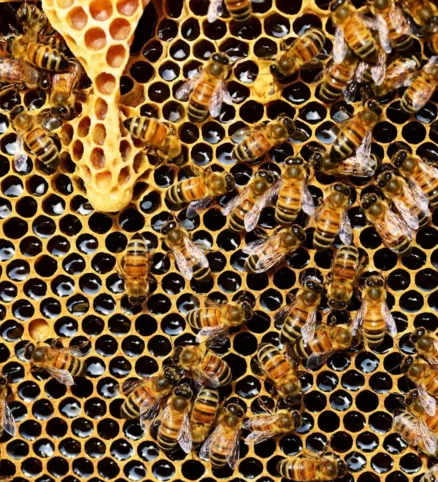
Dealing with bees around your home in Tucson can be both worrying and potentially hazardous. In Tucson, common types of bees include Honeybees, Carpenter Bees, and Bumblebees. While these insects are crucial for pollination and the local ecosystem, their presence near homes can pose the risk of stings and structural damage.
Bees in Tucson are known for their protective nature, especially when their hives are threatened. As temperatures rise, these stinging insects become more active, searching for food and establishing hives in close proximity to residential areas.
To manage bee issues, homeowners should take precautions near hives, seal potential entry points to prevent infestations, and seek professional help if hives are found in or around their homes. Consulting with pest control specialists who are familiar with Tucson’s bee species, such as Desert Pest Control, can provide effective solutions to handle bee-related problems and ensure a safe environment free from the dangers posed by these buzzing insects.
Each of the bee species common to Tucson behaves differently, and recognizing the species often shapes the right response. Honeybees build large colonies that can house tens of thousands of workers and produce honeycomb that may add structural weight inside walls, eaves, or attic spaces. Once an established hive is left in place, the wax and honey can leak into drywall and insulation, attracting secondary pests long after the colony itself has moved on. Carpenter bees behave very differently. They are solitary nesters that bore perfectly round holes into untreated wood. A single bee will not threaten a structure, but repeat tunneling year after year weakens fascia boards, deck rails, exposed beams, and patio covers. Bumblebees nest in smaller groups, often in ground cavities, compost piles, or wall insulation, and they tend to defend their nests aggressively when disturbed by foot traffic or yard equipment.
inspect.
Each area and residence is unique, attracting various pest species. We gather information from homeowners and conduct property inspections to identify potential pests that may be present.
formulate.
After the inspection, we tailor treatment products and methods to create an optimal pest control strategy specifically designed for your home and property.
treat.
Unless indoor service is specifically requested, routine exterior treatments typically prove effective in deterring intruders. In the event of a recurrence, our commitment stands: we will return at no additional cost.
Africanized Honey Bees in Southern Arizona
Most of the feral honeybee population in southern Arizona is now Africanized, a hybrid descended from African and European honeybees. They look almost identical to European honeybees, and only laboratory analysis confirms the difference with certainty. The behavior is what sets them apart. Africanized colonies defend a much larger area around the hive, respond faster to perceived threats, and pursue intruders for longer distances than their European counterparts. A lawnmower, weed trimmer, leaf blower, or even foot traffic near a hidden colony can trigger a defensive response involving hundreds of bees within seconds.
This is the practical reason we treat every unmanaged colony in Tucson as potentially Africanized until proven otherwise. Homeowners who try to dislodge a hive with water, smoke, or store-bought aerosols frequently make the situation worse. The bees disperse, regroup, and often sting bystanders, neighbors, or pets in the process. Sealing a colony inside a wall without first removing the brood and honeycomb creates a different problem entirely. The abandoned comb melts in summer heat, stains drywall and ceilings, and draws ants, beetles, and rodents to the cavity over the following weeks.
Our Process for Effective Bee Control
Managing a bee infestation can be a daunting task, especially without a clear strategy or understanding of the potential implications. At Swift Pest Control, our experts have developed a comprehensive approach for bee management to safeguard our community from these persistent insects.
Assessment: The first step involves a detailed inspection of the property and surrounding areas to identify any signs of bee activity and locate possible hive locations. During the inspection, our technicians look for the obvious signs and the subtle ones. Visible swarms and active hives are easy to flag. The harder calls involve bees entering wall voids through weep holes, irrigation valve boxes, abandoned rodent burrows, gaps around roof flashing, or unsealed vent screens. Tracking the actual entry point matters because surface treatments alone rarely resolve an interior nest.
Control: Following the assessment, our team tailors a personalized control plan based on the evaluation results. Strategies may include the safe removal of bee populations, the use of specialized treatments, and the implementation of preventive measures to keep bees away from the premises. The method depends on where the colony has settled. A small swarm cluster resting on a tree limb or shrub can often be addressed in a single visit before the bees commit to building comb. An established hive inside a wall cavity, chimney, or attic space is more involved. It may require cutting access to remove brood and honeycomb after the colony has been neutralized so that the cavity can be cleaned and sealed properly.
Follow-up: Our bee control services are seamlessly integrated into our overall pest management protocol, including regular follow-up treatments every few months. We stand behind our services with a comprehensive guarantee; if bees return, we will revisit at no additional cost. Follow-up matters because scout bees from neighboring colonies routinely investigate sites where other bees have nested. Pheromone residue lingers on wood, masonry, and roofing material long after the original colony is gone. Treating the entry point and surrounding surfaces during the follow-up visit interrupts that cycle and reduces the chance that a new swarm will move into the same void next season.
Prevention: After the treatments are implemented, we provide practical recommendations to our clients to minimize the chances of re-infestation. Simple measures such as sealing entry points, removing potential nesting sites, and keeping the area clean can greatly enhance the effectiveness of the treatments. Common entry points worth inspecting on a Tucson property include gaps around outdoor faucets, unscreened attic vents, openings behind utility meters, weep holes in block walls, and any space larger than a quarter inch in stucco, soffits, or trim. Standing water draws foraging bees during dry months, so dripping hummingbird feeders, uncovered pet bowls, and pool overflow areas all deserve a second look.
Trust Swift Pest Control for reliable bee management solutions and enjoy a safe, bee-free environment. Contact us today for expert assistance in Tucson, AZ.
What to Do When You Find a Hive on Your Property
Reactions in the first few minutes after spotting a hive often determine whether the situation stays contained. Move people and pets indoors and close nearby windows and exterior doors. Avoid spraying the colony with a garden hose or with insecticide from a hardware store. Africanized bees in particular respond to vibration and disturbance, and a wet, agitated colony becomes harder for a professional to manage safely once it has scattered.
Mark the location from a safe distance so the technician can find it quickly on arrival. Note the approximate height, the time of day the bees seem most active, and whether the entry point appears to lead into a wall, an attic, a tree cavity, or open air. If anyone in the household has a known bee allergy, share that information when scheduling so the visit can be prioritized. Keep children and animals away from the area until the property has been cleared, and avoid running outdoor equipment within roughly fifty feet of the hive.
Seasonal Patterns of Bee Activity in Tucson
Bee pressure in southern Arizona follows the heat. Swarm season usually begins in late February as daytime temperatures climb and existing colonies split to form new ones. Activity peaks through spring and early summer, slows during the hottest stretch of July and August when foraging conditions are limited, and picks up again briefly during the monsoon when blooming plants return. Inspections during early spring catch many problems before colonies have time to build out substantial comb. That timing is often the difference between a single-visit job and a more involved removal that requires opening a wall or roofline.
Discover a Bee-Free Property!
Are you tired of the nuisance and potential danger posed by unwelcome bees buzzing around your home? Contact Swift Pest Control now—we are the leading bee control experts serving the Tucson, AZ area. https://swiftpest.com/pest-control-price-tucson/