


in Tucson and Surrounding Areas
Best Way to Get Rid of Ants in Tucson, AZ
Encountering ants in your residence can be a common nuisance. In Tucson, ants are prevalent, with species like the Argentine Ant, Carpenter Ant, and Red Imported Fire Ant being frequently sighted. These ants can invade homes, contaminate food sources, and cause structural damage, posing significant challenges for Tucson residents.
Ants in Tucson are often seen scavenging openly for food, making their presence more apparent. To effectively address ant infestations, Tucson residents need to have access to reliable pest control services like Swift Pest Control to efficiently manage ant-related issues and maintain a pest-free environment.
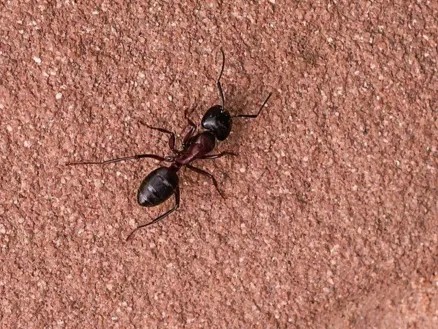
The species matters more than most homeowners realize. Argentine ants are small, dark, and form massive interconnected colonies that can stretch across multiple properties on the same street. They follow established trails into kitchens, pantries, and pet food bowls, and they will exploit any food source left uncovered for more than a few hours. Carpenter ants are larger, often black or reddish, and unlike termites they do not eat wood. They tunnel through it to nest, hollowing out damp framing, window sills, and roof rafters over months or years. Red imported fire ants build raised earthen mounds in open ground and respond to disturbance by swarming up legs and arms. Their sting produces a sharp burn followed by a sterile pustule within roughly twenty-four hours, and a single person can be stung dozens of times in a few seconds.
inspect.
Each area and residence is unique, attracting various pest species. We gather information from homeowners and conduct property inspections to identify potential pests that may be present.
formulate.
After the inspection, we tailor treatment products and methods to create an optimal pest control strategy specifically designed for your home and property.
treat.
Unless indoor service is specifically requested, routine exterior treatments typically prove effective in deterring intruders. In the event of a recurrence, our commitment stands: we will return at no additional cost.
Common Ant Species Found in Tucson Homes
Identifying the species early shapes the right response, because each one nests differently, eats differently, and reacts differently to treatment.
Argentine Ants
Argentine ants are the most common kitchen invader in southern Arizona. They live in supercolonies that can include millions of workers and dozens of queens spread across a neighborhood. Spraying a visible trail kills the foragers but does little to the colony itself. The remaining queens simply produce more workers, and the trail returns within days. Effective control relies on slow-acting bait that workers carry back to the nest before they die, which is why patience matters during the first week or two of treatment.
Carpenter Ants
Carpenter ants are larger, usually a quarter to a half inch long. They are drawn to wood that has been softened by moisture, which is why they often appear near plumbing leaks, roof flashing, weep screeds, or window frames that have weathered. Indoor sightings during the cooler months almost always mean an interior nest, since carpenter ants stay largely inactive outside during the cold. Tapping suspect wood with a screwdriver often reveals hollow sections and a faint rustling sound from inside.
Red Imported Fire Ants
Red imported fire ants are smaller than carpenter ants but defend their mounds aggressively. Disturbing a mound with a foot or garden tool brings hundreds of workers to the surface within seconds. Their stings are painful and can cause serious allergic reactions in sensitive people, including children and pets. Mound treatments need to reach the queen at the base of the colony, which often sits a foot or more below the surface, so surface dusting alone rarely ends the problem.
Our Process for Effective Ant Control
Dealing with an ant infestation can be challenging, especially without a clear strategy or awareness of the potential risks involved. The specialists at Swift Pest Control have crafted a comprehensive process for ant control to ensure their community is protected from these pests.
Inspection: The initial step involves a detailed examination of both the property and the interior of the home to detect any signs of ant activity and pinpoint potential entry points. During the inspection, we trace the foraging trails that reveal where ants are coming from, the moisture sources that draw them, and the structural gaps that let them inside. Indoor trails often run along baseboards, behind dishwashers and refrigerators, and under the lip of cabinet bases. Outside, the same trails usually lead back to block walls, irrigation valve boxes, mulched garden beds, or the bare soil under stepping stones, which is where most colonies actually sit.
Treatment: Following the inspection, our team devises a tailored treatment plan based on the assessment outcomes. Treatment methods may include targeted elimination of ant colonies, the application of specialized ant baits, utilization of traps for monitoring, and the use of barrier treatments along the perimeter to prevent ants from infiltrating the premises. Bait selection is part of the strategy. Sugar-feeding species respond to sweet baits, while protein-feeding species ignore them entirely. The same colony can switch preferences seasonally, which is one reason a product that worked in spring sometimes stops working in late summer. Rotating active ingredients and pairing baits with non-repellent perimeter products keeps the colony from developing avoidance behavior.
Follow-up: Our ant control services are seamlessly integrated into our overall pest management regimen, encompassing routine follow-up treatments every few months. We back our services with a comprehensive warranty, ensuring that if ants reappear, we will return at no extra charge. Scheduled follow-up matters more with ants than with most other pests because colonies recover and relocate. A treated nest in the front yard often shifts to the backyard or to a neighbor’s irrigation line, and foragers can re-enter the home from the new site within a few weeks. Maintaining a steady perimeter barrier through regular visits is the practical answer to that recovery cycle.
Post-treatment, we offer practical suggestions to our clients to reduce the likelihood of re-infestation. Simple actions like sealing entry points, maintaining cleanliness, and eliminating food sources attractive to ants will significantly bolster the efficacy of the treatments.
Why DIY Ant Sprays Often Make the Problem Worse
Many homeowners reach for a contact-kill spray as a first response. With a single line of ants on a counter, that may resolve the immediate sighting, but it rarely ends the infestation. Several common ant species, including Argentine ants, will fragment a colony when they detect a repellent chemical. The behavior is called budding. Workers carry queens to a new location and start a separate nest, and within a few weeks the homeowner has two active trails where there used to be one. Surface sprays also kill the very foragers needed to carry slow-acting bait back to the nest, which reduces the effectiveness of professional treatment if it follows shortly after. The most common mistake we see in homes is a thorough application of household spray a day or two before our visit.
Telling Carpenter Ants from Termites
Both insects swarm with wings during the warmer months, and homeowners often confuse them. The differences are visible once you know what to look for. Carpenter ants have a pinched waist, bent antennae, and wings of two different lengths. Termites have a straight body, straight antennae, and wings of equal length. Carpenter ants leave small piles of sawdust-like material called frass near their tunnels. Termites leave mud tubes along foundations and rarely produce visible debris outside the wood. Misidentifying one for the other delays the correct treatment, and termites do far more structural damage in less time, so a swarm event indoors deserves a quick identification before deciding what to do next.
Discover an Ant-Free Property!
Are you tired of encountering unsettling (and potentially harmful) ants creeping in and around your household? The time has come to reach out to Swift Pest Control, the top ant control experts serving the Tucson, AZ region. https://swiftpest.com/pest-control-price-tucson/